
Vista Fox · Adelaide window specialists
The Pre-1990 Glass Risk Profile in Adelaide — Why Your Front Door, Sidelight or Bay Window Probably Isn't Safety Glass
By Vista Fox · Published 5 May 2026 (updated 8 October 2026)
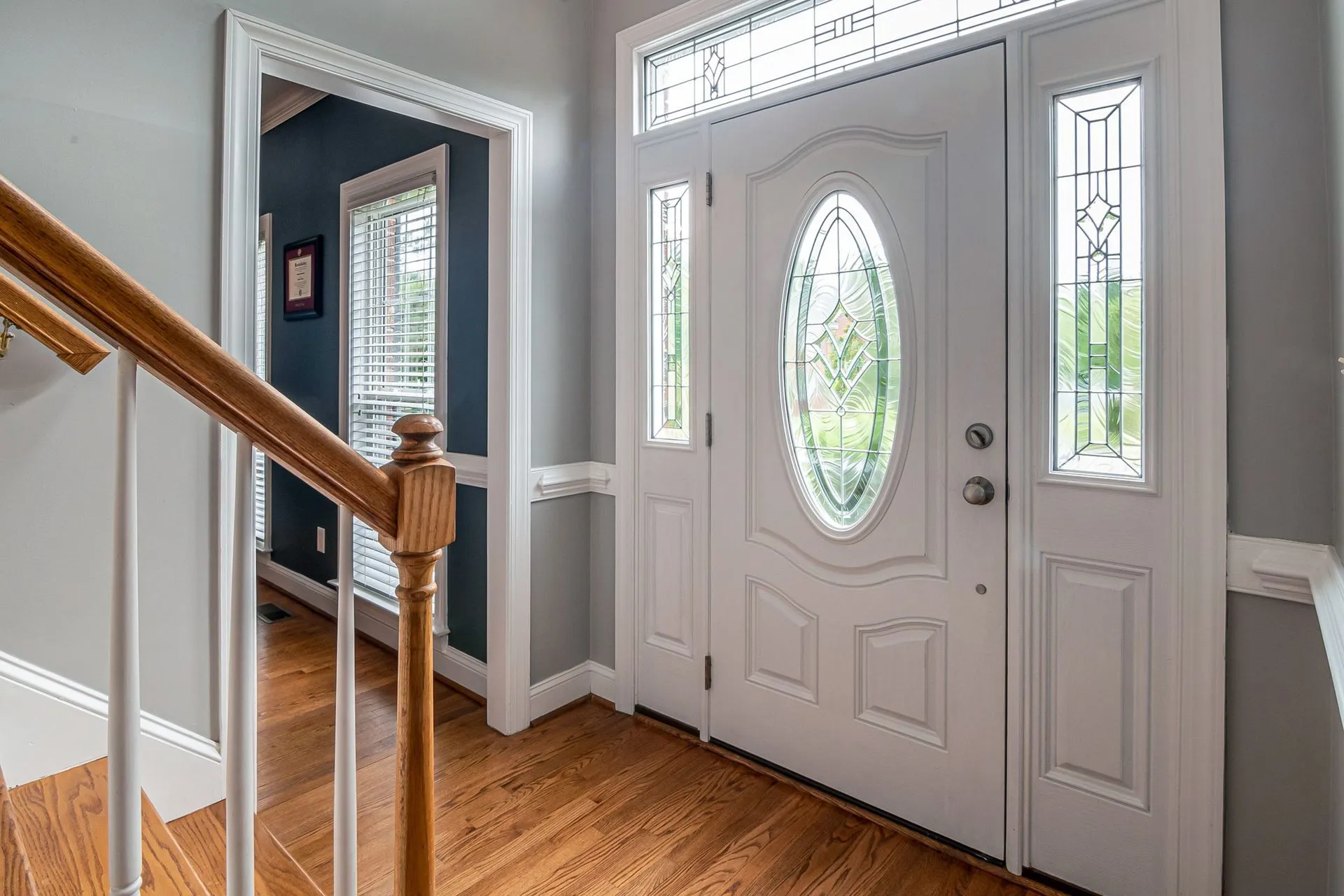
Mandatory safety glazing in defined human-impact locations was progressively tightened over several decades and is now set through the National Construction Code and AS 1288. The practical consequence for Adelaide owners: many homes built before around 1990 still carry ordinary annealed glass in front doors, sidelights, low panels, and wet-area glazing — exactly the locations where AS 1288:2021 now requires safety glazing. The glass that was acceptable at install does not meet current standards, and a pre-purchase inspection is likely to say so.
This article is the buyer’s checklist version of the regulation conversation. It sits below the AS/NZS 2208 heritage-glass pillar, which covers the safety-glazing standards stack in detail. Read this for the property-owner’s decision; read the pillar for the standards reference.
A short timeline of safety-glazing rules in Australia
Australian glazing standards moved progressively from recommended best practice to requirements bound into building approvals over several decades. The broad picture an Adelaide owner needs:
- Earlier decades — early glazing codes named human-impact-risk locations and recommended safety glazing in them, but requirements were not consistently enforced in home building.
- Through the 1980s — successive revisions of AS 1288 and the introduction of the Building Code of Australia (BCA) progressively bound the safety-glazing requirements into building approvals, with states adopting on different timelines. The practical working assumption is that homes built from around 1990 onward carry safety glazing in flagged locations, and homes built before that often do not.
- 1996 — AS/NZS 2208:1996 was published as the joint Australian/New Zealand standard for safety glazing materials, codifying the pendulum-impact test that defines safety glass to this day.
- 2021 — AS 1288:2021 is the current edition, referenced as a primary document by the National Construction Code. The 2021 edition brought updated requirements for sloped overhead glazing and glass barriers (commentary published by the Victorian Building Authority).
The 1990 line is a working rule of thumb, not a hard cliff. A 1985 home built to a careful specification may carry safety glazing in flagged locations; a 1992 home built to a budget may not. The only reliable test is the etched mark in the corner of each pane — covered next.
How to tell if a pane is safety glass
Australian safety glass carries a visible classification mark, etched or sandblasted into one corner of the pane, naming the manufacturer, the type, and the standard reference. The marks an Adelaide owner is looking for:
- Toughened glass — typically marked “TGD,” “TOUGHENED,” “AS 2208” or “AS/NZS 2208,” and the manufacturer’s identifier. The mark is in a lower corner, visible on close inspection from inside or outside.
- Laminated glass — typically marked “LAMINATED,” “AS 2208” or “AS/NZS 2208,” and the manufacturer’s identifier. Laminated glass shows two distinct sheets bonded by a clear interlayer when viewed edge-on through the rebate.
- Wired glass — visible wire mesh embedded through the glass, common in 1960s to 1980s commercial buildings, retained in heritage entry foyers. AS/NZS 2208 covers wired glass; older wired panels may pre-date the standard.
- Organic-coated glass — annealed glass with a factory-applied resin coating that gives it safety performance. Less common in Adelaide; more common in older institutional fit-outs.
If a pane carries no mark — and a careful corner inspection in good light, including the four corners of the pane, returns nothing — the glass is most likely ordinary annealed glass. Ordinary annealed glass is not safety glass. It breaks into long, sharp shards under impact. It is what most pre-1990 Adelaide front-door sidelights are made of.
A note on frosted, textured, and decorative glass: the obscure surface treatment does not change the safety classification. A frosted bathroom panel can be either safety glass or annealed glass — the etched mark in the corner is the only reliable way to tell. Frosting hides the absence of safety classification more than it hides the absence of the mark itself; an unmarked frosted pane in an AS 1288 trigger location is exactly the configuration most often flagged on a pre-purchase inspection.
A second note on leadlight: original leadlight is annealed coloured glass set in lead came. It is, by construction, not safety glass. The conservation question for leadlight is covered in detail in the Leadlight UV-protection article; the safety-glazing question on a leadlight pane is resolved by an AS/NZS 2208 film overlay rather than by replacement.
The locations AS 1288 cares about
Not every window in an Adelaide home is a safety-glazing location under AS 1288:2021. The standard names specific locations where safety glazing is required — the locations where a person can foreseeably walk into the glass, fall against it, or strike it during a normal day. The categories most often flagged on pre-purchase inspections in Adelaide:
- Doors fully or partly glazed — entry doors, internal doors with glass panels, French doors, sliding doors. Any glass in a door is a safety-glazing location.
- Sidelights and panels alongside doors — the narrow vertical panels next to a front door, particularly within 300mm of the door edge and below a defined height. The 1900s federation front door with matching sidelights is exactly the configuration AS 1288 captures.
- Panels with the lower edge less than 500mm from finished floor level — low-level glass in walls, balustrade infill, and bay-window seat configurations.
- Glass within 300mm of a door edge — including the panels that flank an internal opening between rooms.
- Glass within 500mm of a stair edge — stair-landing windows, half-flight panels.
- Bathroom, ensuite, laundry, and shower-screen glazing — wet-area panels where a person can slip and fall against the glass.
- Glass barriers and balustrades — separately specified, with additional load and test requirements that were updated in line with NCC 2022 amendments to AS 1288:2021.
The 3-metre-rule article covers the most common misreadings of these triggers in detail. The short version: AS 1288 does not have a “3 metres from the floor” rule; it has the location-specific triggers above. Each one is a “yes, safety glazing required” gate, regardless of how high the head of the pane sits.
What a pre-purchase inspector actually flags
Pre-purchase building inspection reports in Adelaide commonly carry a line item along the following pattern:
“Glazing in the front-door sidelight appears to be ordinary annealed glass. AS 1288:2021 requires safety glazing in this location. Recommend verification by the vendor or remediation prior to settlement.”
The locations most commonly flagged on Adelaide character-zone homes:
- The front-door panel and its sidelights
- The dining-room or living-room internal door panels
- The bathroom and ensuite window
- The kitchen-back-door panel
- A bay window with a low sill
- A stair-landing pane
- A pool-fence or balustrade panel
A conveyancer’s response to the flag is rarely “ignore it.” The buyer’s options are typically: ask the vendor to remediate before settlement, negotiate a price reduction reflecting remediation cost, or accept the property with the issue documented. Insurers reviewing the property at policy renewal occasionally raise the same question; the remediation conversation is identical.
The compliance documentation a buyer should expect after remediation: either replacement-glass certificates from the glazier (toughened or laminated, with manufacturer marks visible at each pane) or, for film, the manufacturer’s AS/NZS 2208 test documentation and an install record of the treated panes. The AS/NZS 2208 pillar covers the documentation set in full.
Two compliant fix paths — replace or upgrade with AS/NZS 2208 film
There are two pathways that satisfy a pre-purchase inspection or insurer query on flagged annealed glass in an AS 1288 trigger location:
Pathway one — replace the pane with toughened or laminated glass to current specification. A glazier removes the existing pane, supplies a new toughened or laminated pane to the same dimensions, reglazes the rebate, and certifies the work with the manufacturer’s etched mark visible at the corner. Cost depends on the glass type, thickness, and whether it’s a custom dimension — a glazier quotes it. On a leadlight or stained-glass panel, this pathway destroys the original asset and the heritage character it gives the home.
Pathway two — upgrade the existing pane with an AS/NZS 2208-compliant safety film. A professional installer applies a manufacturer-certified safety film to the inside face of the existing pane, the assembly is then safety glazing under AS/NZS 2208 by test, and the pane is preserved. A single front door plus sidelight typically runs $500 to $900 — see the security film page for current price ranges. On a leadlight or stained-glass panel, this is usually the only conservation-aligned answer — the original glass is preserved, the compliance question is resolved, and the buyer has an auditable paper trail.
The choice between the two pathways turns on the value of the original glass. On a plain annealed sidelight in a 1970s house with no heritage character, replacement is usually the right answer — it’s permanent, the pane is replaced once and forgotten, and the cost is roughly comparable to a high-grade film. On any pane with original character — leadlight, sandblasted bevel, hand-cut decorative glass, original wavy “drawn” glass on a federation or earlier home — film is the conservation-aligned answer, and the one heritage architects and conservators generally prefer.
For the technical detail on which film grade goes where, see the Grade A vs Grade B safety film article. For the suburb context on heritage stock, see the Burnside location page and the security film service page. For UV-only conservation on leadlight where safety is not the primary brief, the solar/UV film pathway is the lighter intervention.
Frequently asked questions
When did safety glass become mandatory in Australia?
The transition happened progressively, largely through the 1980s, as successive revisions of AS 1288 were bound into the Building Code of Australia. As a working rule of thumb, homes built from around 1990 onward carry safety glazing in flagged human-impact locations. Older homes were not retroactively required to upgrade. Pre-purchase inspections and insurer reviews are the two moments the question arrives for an existing-home owner today.
How can I tell if my Adelaide front door is safety glass?
Look for an etched or sandblasted classification mark in a lower corner of the pane — typically reading “TGD,” “TOUGHENED,” “LAMINATED,” “AS 2208,” or “AS/NZS 2208” with a manufacturer identifier. If no mark is visible after a careful inspection in good light, the glass is most likely ordinary annealed glass and not safety glazing. A qualified glazier or safety-film installer can confirm on a site visit and recommend the appropriate remediation pathway.
Do I have to upgrade non-safety glass in my existing Adelaide home?
There is no general retroactive requirement to upgrade existing glass that was compliant at the time of construction. The question typically arrives at pre-purchase inspection (where the buyer or conveyancer raises it), at insurer policy renewal, or at a renovation that triggers a current-standards review across the existing fabric. Remediation is optional outside those triggers — but the safety risk to occupants, particularly children, doesn’t depend on whether the trigger has arrived.
Can film really make ordinary glass count as safety glazing?
Yes — when an AS/NZS 2208-compliant safety film is bonded to the inside face of an existing annealed pane to manufacturer protocol, the assembly passes the same pendulum-impact test that defines safety glazing. The manufacturer holds an AS/NZS 2208 test certificate for the film-and-glass combination, and the assembly is then safety glazing by test. Keep the test documentation and install record. The AS/NZS 2208 pillar covers the technical pathway in full.
What about my bathroom window — does it have to be safety glass too?
Yes. AS 1288:2021 specifies wet-area glazing — bathroom, ensuite, laundry, and shower-screen panels — as a safety-glazing location. The risk is a person slipping and falling against the glass. Frosted or textured surface treatment does not change the safety classification; an unmarked frosted bathroom pane in a pre-1990 Adelaide home is most likely annealed and is in an AS 1288 trigger location. Both the replacement and the film upgrade pathways apply.
Sources
- Standards Australia — AS 1288:2021 Glass in buildings — Selection and installation
- Standards Australia — Spotlight on AS 1288:2021
- Standards Australia — AS/NZS 2208:1996 Safety glazing materials in buildings
- Australian Building Codes Board — National Construction Code
- Victorian Building Authority — AS 1288 changes (NCC 2022 amendments)
- WFAANZ — WERS for Film rating scheme