
Vista Fox · Adelaide window specialists
Grade A vs Grade B Safety Glazing in Adelaide — Which AS/NZS 2208 Classification Your Film Needs
By Vista Fox · Published 5 May 2026 (updated 8 October 2026)
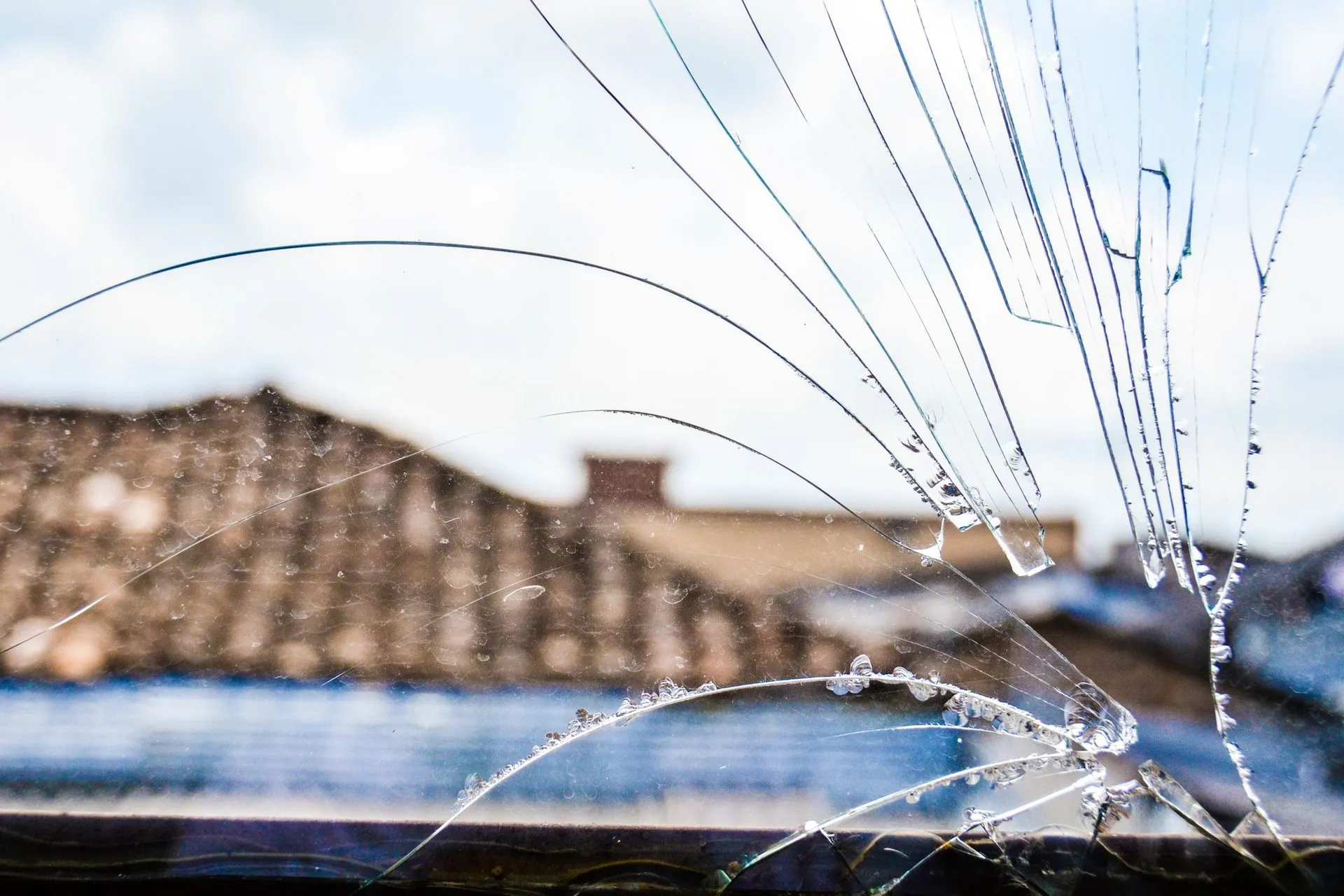
Grade A safety glazing under AS/NZS 2208:1996 passes the pendulum-impact test at the most demanding drop height; Grade B passes at a lower drop height; Grade C is a lower classification used in limited applications. AS 1288:2021 specifies which Grade applies to which location in a building — the most demanding locations call for Grade A, while some lower-risk locations accept Grade B. The Grade is determined by test, not by film thickness alone, and the manufacturer’s AS/NZS 2208 test certificate for the specific film-and-glass combination is the source of truth.
This article unpacks the Grade A / Grade B / Grade C distinction at the level a specifier, building inspector, or owner needs to make the decision. It sits below the AS/NZS 2208 heritage-glass pillar, which covers the broader standards stack. Read this for the grade-by-location call; read the pillar for the wider context.
How the AS/NZS 2208 pendulum-impact test actually works
The pendulum-impact test is the practical core of AS/NZS 2208:1996 (with Amendment No. 1, 1999). It simulates a person walking, falling, or being pushed into a glass pane. The test setup:
- A test pane of defined dimensions is mounted in a defined frame — the frame replicates the rebate, the bead pressure, and the edge support a real building pane sees.
- A 45-kilogram leather-covered impactor (a weighted bag, often referred to as the “Bag Test”) is suspended on a cord and swung from a defined drop height into the centre of the test pane.
- The test is run at different drop heights, which correspond to the Grade classifications.
- A pass requires either no penetration through the assembly, or breakage in a non-injurious pattern — fragments must not cut or pierce a person on the receiving side, and the assembly must not produce a curtain of cutting shards.
The Grades, in order:
- Grade A — the highest drop height. The most demanding test. Used to certify the highest-impact locations.
- Grade B — a lower drop height. Used where Grade A is not specifically nominated but safety glazing is still required.
- Grade C — the lowest classification. Used in limited applications nominated by AS 1288.
The exact drop heights and pass criteria are set out in the standard itself.
The test does not care whether the assembly is a single sheet of toughened glass, a laminated unit, or an annealed pane with a properly bonded safety film. The test cares whether the assembly behaves correctly on impact. That neutrality is the architectural-film opening: a manufacturer holds an AS/NZS 2208 test certificate for a specific film-grade-on-specific-glass-thickness combination, the test was witnessed and recorded, and the certificate is the documentary evidence that the assembly is safety glazing at the named Grade.
The location-by-location requirement under AS 1288:2021
AS 1288:2021 is the standard that tells a builder, specifier, or inspector which Grade applies to which location. The Grade required varies by the human-impact risk profile of the location, and often by the size and thickness of the pane. The locations most often reviewed in residential Adelaide stock:
- Doors, fully or partly glazed
- Sidelights and panels beside doors
- Low-level panels near the floor
- Bathroom, ensuite and shower-screen glazing
- Glass near stairs and landings
- Glass barriers, balustrade infill and pool-fence panels (where separate barrier and AS 1926.1 pool-fencing requirements also apply)
This list is a starting point, not a substitute for the standard. AS 1288:2021 contains the binding location-by-location requirements, including which Grade applies; a building surveyor or qualified glazier reads them against the specific configuration of the property. The 3-metre-rule article covers the most common misreadings of the standard’s height triggers.
A note on rooms most often asked about in Adelaide character-zone homes: the front-door sidelight is almost always either Grade A or Grade B — Grade A where the panel is full-height alongside the door (because a person could foreseeably fall full-height into it), Grade B where the panel sits above a low solid panel and the glazed area is the upper portion only. The installer checks the requirement against the standard and the dimensions on site.
How a film achieves a given Grade
The Grade an applied film achieves on an existing pane is a function of three things: the film, the glass, and the installation. The relationship most often misquoted online:
Mil rating alone does not determine Grade. The same film on two different glass thicknesses may certify to different Grades — or to neither — depending on the manufacturer’s tested combination. The test is the truth, not the thickness.
General orientation only — the manufacturer’s specific certificate decides:
- 4 mil (100 micron) — entry safety film. Often certified to Grade B on common single-pane annealed glazing. Used where the priority is anti-shatter on lower-risk locations.
- 8 mil (200 micron) — standard architectural security film. Often certified to Grade A on common single-pane annealed assemblies, per the manufacturer’s certificate.
- 12 mil (300 micron) — high-security and commercial-grade film.
- 14 mil (350 micron) — attack-rated and ram-raid-rated film. Used on retail storefronts, ATM lobbies, and high-risk commercial work, typically paired with a structural-attachment system at the perimeter.
The Vista Fox grade-selection process: the installer reads the AS 1288 location category, measures the existing glass thickness, surveys the framing condition, and then specifies the film-and-grade combination that matches the manufacturer’s available test certificate. The certificate is the document that closes the loop. Without it, a Grade A claim is unverified.
For the wider mil-rating discussion — how thickness translates to performance under real-world impact rather than the laboratory test — see the 4-mil vs 8-mil vs 14-mil security film article.
Documenting a safety-film upgrade
A treated pane can be hard to tell apart from an untreated one, so the paperwork matters. After a safety-film upgrade, keep:
- The film manufacturer’s name and product line
- The manufacturer’s AS/NZS 2208 test documentation showing the Grade for that film-and-glass combination
- The installation date and a record of which panes were treated
Some manufacturers also supply labels for treated panes — ask your installer what applies to the film being quoted. This documentation is what a conveyancer, building inspector, insurer or surveyor will ask about at sale, at insurance renewal or during later building work.
When a building surveyor specifies the wrong Grade
A mismatch that can happen: a building surveyor’s report nominates Grade A on a panel that AS 1288:2021 actually accepts at Grade B, or — more concerning — nominates Grade B on a panel that requires Grade A. The mismatch usually arises from a rapid review where the panel dimensions weren’t measured precisely, or from older surveyor templates that didn’t fully reflect the 2021 edition’s revised triggers.
Vista Fox’s practice in those moments: confirm the measurement on site, pull the manufacturer’s available test certificates, document the film-and-grade combination that matches the AS 1288 requirement at the actual dimensions, and provide the documentation back to the surveyor for sign-off before installation. The manufacturer’s test certificate is the source of truth. Where the surveyor has specified a Grade above what the location requires (Grade A on a sidelight that AS 1288 accepts at Grade B, for instance), the higher Grade can be installed without issue — there is no penalty for over-specifying. Where the surveyor has specified a Grade below what the location requires, the under-specification is corrected before install.
The complementary articles for the standards conversation: the pre-1990 glass risk profile for the buyer-side decision on remediation, the 3-metre-rule article for AS 1288 height-trigger detail, and the security film service page for the product-level walk-through.
Frequently asked questions
What’s the difference between Grade A and Grade B safety glazing?
Grade A passes the AS/NZS 2208 pendulum-impact test at the most demanding drop height — the highest impact classification, used where AS 1288 nominates the most demanding locations. Grade B passes at a lower drop height — used where safety glazing is required but Grade A is not specifically nominated. AS 1288:2021 sets out which applies where. Both classifications appear on the manufacturer’s test certificate by film-and-glass combination.
Can film alone meet Grade A on my Adelaide front door?
Yes — when an AS/NZS 2208-compliant safety film is bonded to the inside face of an existing annealed pane to manufacturer protocol, the assembly passes the pendulum-impact test at the Grade A drop height for the film-and-glass combination certified by the manufacturer. The manufacturer holds the test certificate, and the assembly is then Grade A safety glazing by test. The film grade is chosen to match the manufacturer’s Grade A certificate for your glass thickness.
Do I need a different film for my front door than for my low wall panel?
Not always. A single film grade certified to Grade A on your glass can cover several locations in one specification. Where the requirement is Grade B only, a lighter film certified to Grade B may suffice and reduce the cost. Vista Fox specifies the film grade per location at the consult, against the AS 1288 trigger and the manufacturer’s certificate.
Will treated panes be labelled?
Practice varies by film manufacturer. Some supply labels for treated panes that show the product and the AS/NZS 2208 reference. Either way, keep the manufacturer’s test documentation and a record of which panes were treated — that’s what an inspector or conveyancer will want to see.
Is Grade C ever acceptable in an Adelaide home?
Grade C is rare in residential specification today. AS 1288:2021 nominates Grade A or Grade B for the human-impact-risk locations most commonly flagged on Adelaide pre-purchase inspections. Grade C historically appeared in limited applications named under earlier editions of the standard, and continues to appear in some non-residential or low-risk-position configurations. For a residential Adelaide retrofit the working assumption is Grade A or Grade B, depending on the location’s AS 1288 category.
Sources
- Standards Australia — AS/NZS 2208:1996 Safety glazing materials in buildings
- Standards Australia — AS 1288:2021 Glass in buildings — Selection and installation
- NBS Publication Index — AS 2208 Amendment No. 1 (1999)
- AGWA — How WERS Works
- WFAANZ — WERS for Film rating scheme